Get to know the instructors
instructors
-
![Jay's Camp Dance Swingout Lessons - Founder and Lead Instructor Jay Durham]()
JAY DURHAM
FOUNDER | LEAD INSTRUCTOR
The visionary behind Jay’s Camp, Jay leads with precision, style, and pure joy. His approach to Swing Out redefines the form without losing the soul.
-
![Jay's Camp Dance Swingout Lessons - Lead Instructor Tiffany Renee]()
TIFFANY RENEE
LEAD CHOREOGRAPHER
Tiffany brings the heat. Her choreography balances grit and grace, pushing dancers to feel the beat and own their space.
-
![Jay's Camp Dance Swingout Lessons - Lead Instructor Jermaine Smith]()
JERMAINE SMITH
ASST. INSTRUCTOR
Smooth, steady, and always locked into the groove, Jermaine keeps the energy grounded and the footwork clean. He’s the calm in the storm—and the reason your timing stays tight.
-
![Jay's Camp Dance Swingout Lessons - Assistant Instructor Charles Moore]()
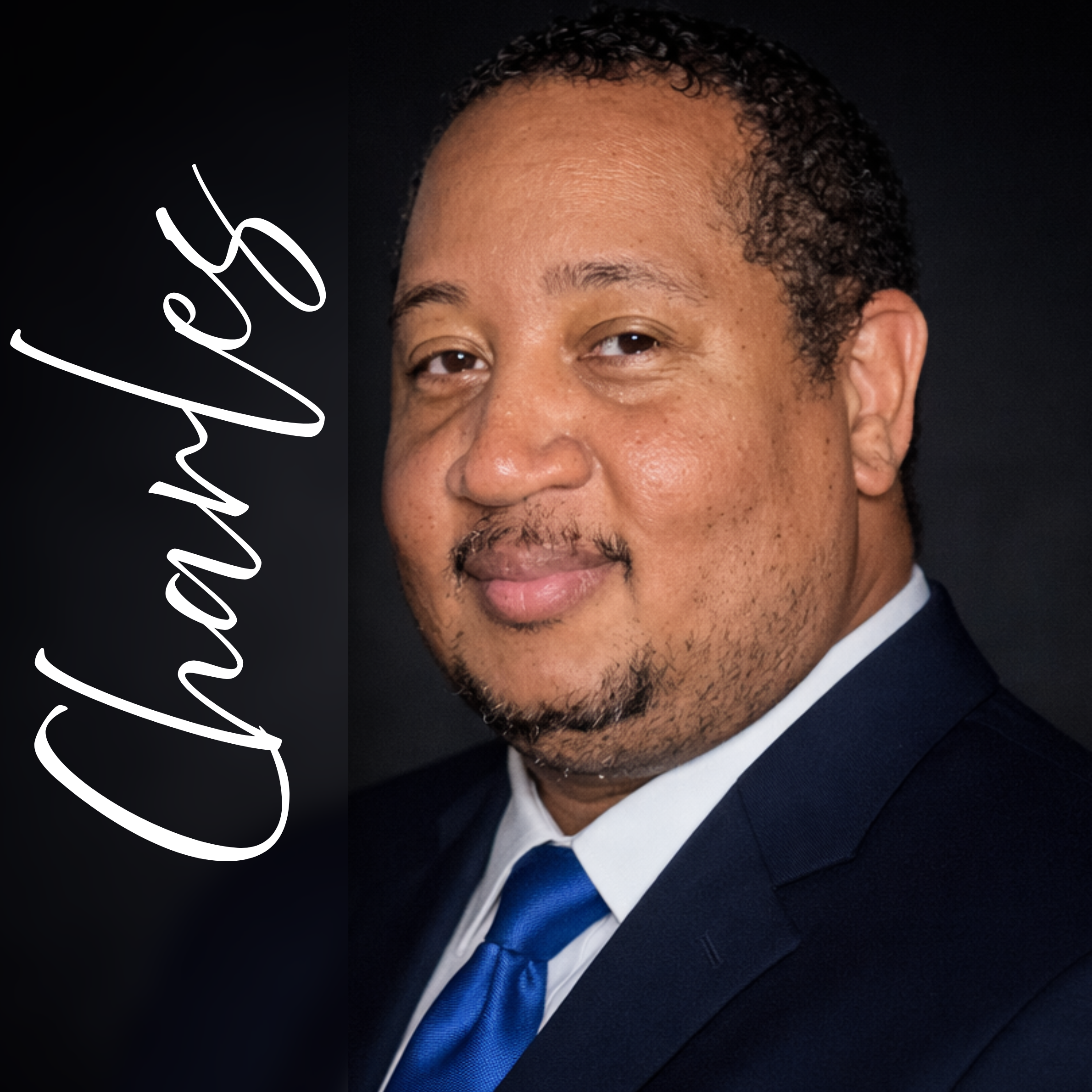
CHARLES MOORE
ASSISTANT INSTRUCTOR
Charles joins the instructor team after years of experience as an avid student. He brings light moves and combinations to the floor to finesse the dance.
-
![Jay's Camp Dance Swingout Lessons - Assistant Instructor Gina Walker]()
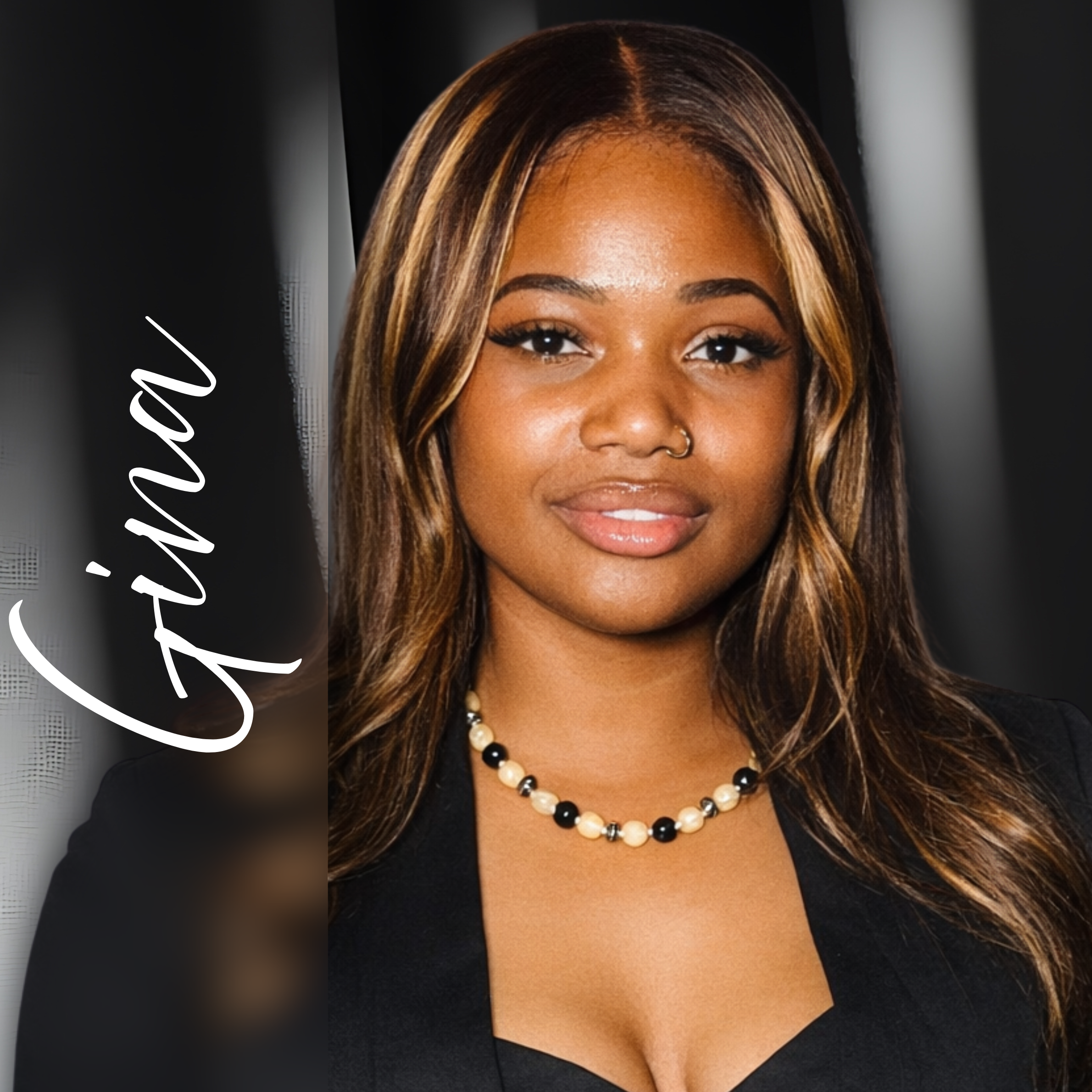
GINA WALKER
ASSISTANT INSTRUCTOR
Gina took a love for the dance in her late twenties and has never faltered in her dedication to learn and grow. She enjoys showing others just how magnificent and art form dance is.
-
![Jay's Camp Dance Swingout Lessons - Assistant Instructor Falon Perkins]()
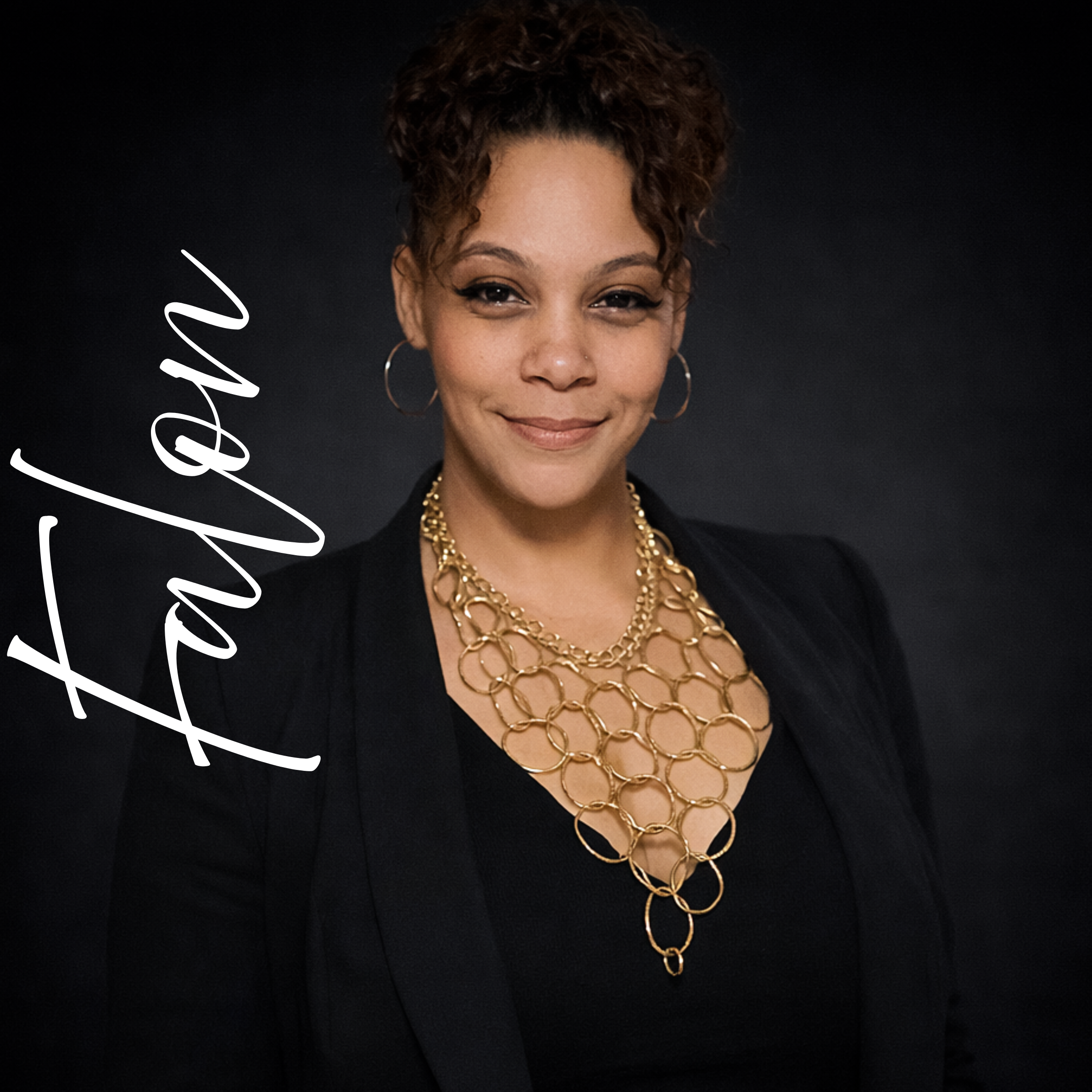
FALON PERKINS
ASSISTANT INSTRUCTOR
Falon loves to add flair to her dance to accentuate and develop the moves. She helps beginner dancers understand the technique and attention needed to truly grow in the dance form.


FAQs
*
FAQs *
-
Jay’s Camp is a Dallas-based Swing Out dance experience that blends classic movement with modern energy. We offer group classes, private lessons, and performances for special events. We teach, we train, we build community—and we have a damn good time doing it.
-
We’re based in Dallas, Texas. Weekly classes are held at designated venues announced on our schedule. Special camps and events may rotate locations.
-
Nope. Whether you're brand new or been dancing for years, Jay’s Camp meets you at your level. Come as you are—we’ll guide you from there.
-
We focus on Swing Out—but with a Jay’s Camp twist. Our style blends traditional roots with creativity, musicality, and personal expression.
-
Not at all. Come solo or bring a friend—we rotate partners in most classes to help everyone learn and grow.
-
Comfortable clothes you can move in. Shoes with a smooth sole (like jazz sneakers or dress shoes) are ideal. Leave the sticky rubber soles at home.
-
Check the services tab for information on classes. And make sure to follow our social media pages.
-
Yes! Private sessions with any of our instructors are available based on scheduling. Just fill out the Contact Form or email us directly.
-
Nope—solo dancers are more than welcome. Whether you want one-on-one instruction or to sharpen your skills with a partner, we’ve got you covered.
-
Absolutely. We do performances, dance demos, and interactive sessions for weddings, parties, corporate events, and more. Submit a request through our Contact Page and we’ll follow up with details.
-
Yes! Our signature Jay’s Camp intensives are held throughout the year. Stay tuned to our Events page and social media for upcoming dates.
-
Perfect—you’ll fit right in. We specialize in building confidence and helping people find their flow. Trust us—you’ve got more rhythm than you think.
The History of Dallas Swing Out
What Is Swing Out?
Swing Out is a regional form of partner dancing with deep roots in African-American culture. It is often considered a cousin to Lindy Hop and West Coast Swing but developed its own distinct rhythm, footwork, and cultural identity—particularly in Dallas, Texas. Known for its smooth glides, precise foot placement, and the unique “pull-and-release” dynamic between partners, Swing Out is more than a dance—it’s a lifestyle.
The Community Culture
Dallas Swing Out isn’t just a dance—it’s a community. Dancers refer to each other as family, and events often double as social gatherings, celebrations, and emotional release. For many, Swing Out has been a healing practice—offering connection, wellness, and joy.
From weeknight sets at local rec centers to formal showcases and national conventions like ISDC (International Swing Dance Championship), Dallas has remained a hub for Swing Out dancers across the country.
The Origins of Swing Out
Swing Out traces its lineage back to the 1920s and 1930s during the Harlem Renaissance. African-American communities created social dances that combined jazz, blues, and big band music, leading to the emergence of Lindy Hop. As the dance traveled across the United States, it evolved differently based on regional influences. In the South—especially in Texas—Swing Out developed its own flavor, characterized by its grounded movement, funky grooves, and storytelling through dance.
Dallas: The Birthplace of Southern Swing Culture
Dallas became one of the epicenters of Swing Out's evolution during the late 1980s and early 1990s. The city’s dance halls, community centers, and Black social clubs were the breeding ground for this emerging style. Influenced by Texas Two-Step, Jookin', and classic ballroom technique, Dallas dancers began to create something new—smooth, sophisticated, and undeniably Southern.
Veteran dancers like Darnell Hines, Robert “Texas Bob” Johnson, and DeeDee Thomas helped define and spread the Dallas-style Swing Out. They introduced elements of posture, rhythm syncopation, and musicality that still guide the form today. Instructional videos, local dance competitions, and community mentorships turned Dallas into the unofficial home of modern Swing Out.
Why It Matters Today
As newer generations step onto the dance floor, Dallas Swing Out continues to evolve while staying rooted in tradition. Instructors like Jay Durham and dance collectives like Jay’s Camp are ensuring the culture thrives through mentorship, competition, and creative reinterpretation.
Swing Out is both a cultural artifact and a living tradition. When you dance Swing Out in Dallas, you’re stepping into history—and helping shape its future.
Contact us
Interested in working together? Fill out some info and we will be in touch shortly. We can’t wait to hear from you!